
Brand History & Background
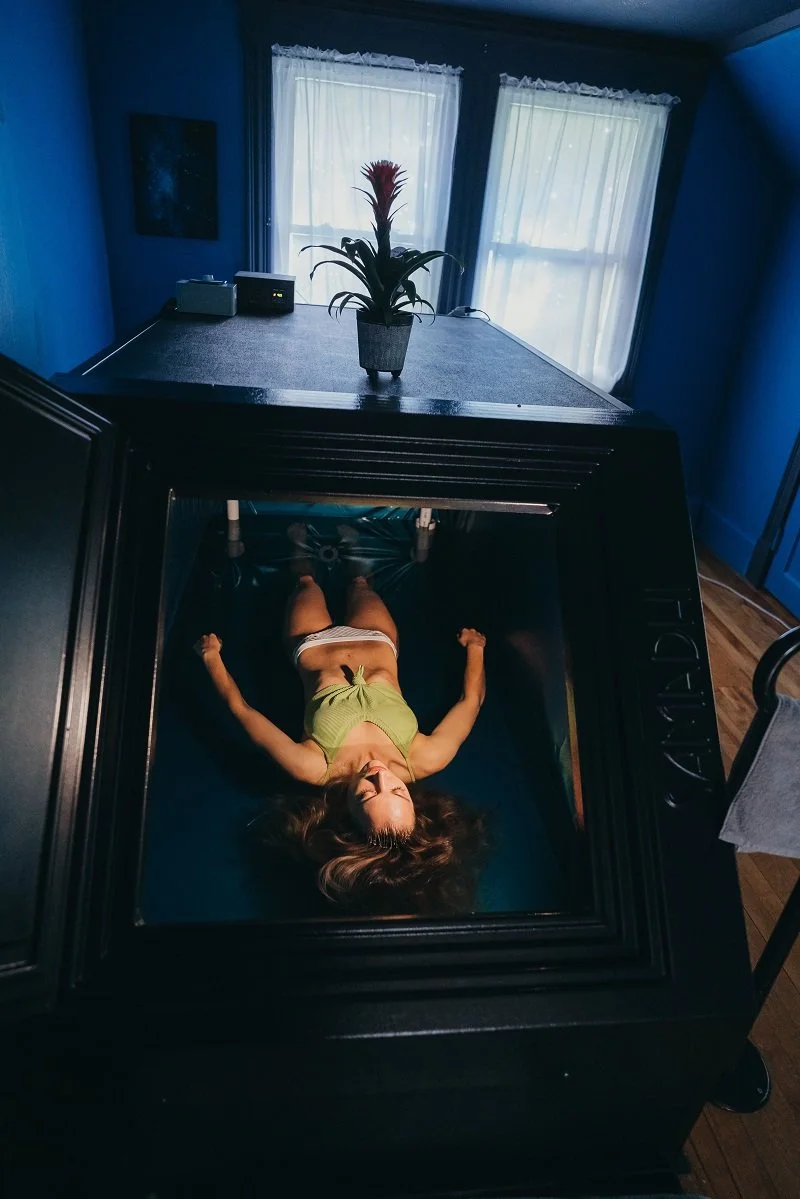
Samadhi Tank Co. is one of the earliest commercial float tank manufacturers. Glenn and Lee Perry began producing tanks in the early 1970s working closely with float pioneer John C. Lilly, and the core cabin design has remained largely unchanged for decades.
The longevity of the design is itself a feature: a Samadhi tank from the 1980s is still serviceable today because the construction is straightforward — fiberglass shell, simple plumbing, manual door — with no proprietary electronics that have gone end-of-life. This makes Samadhi tanks unusually well-suited to long-term ownership and DIY service.
Samadhi remains family-operated and produces tanks in low volume in California. Production runs are limited and lead times for new units can be long, which historically has supported strong used-market demand.
Model Lineup
Current and recent Samadhi Tank Co. models. Specs are pulled from our comparison chart.
| Model | Type | Use | New Price | Used Price |
|---|---|---|---|---|
| Classic (Home) | Cabin | Home | $8,000 – $14,000 | $3,000 – $8,000 |
| Commercial | Cabin | Commercial | $18,000 – $28,000 | $8,000 – $18,000 |
Pros
- + Mechanically simple design — fewer parts means fewer things to fail.
- + Decades of proven service life; many original 1980s units are still in regular use.
- + Easy to service with generic spa parts; not locked into a proprietary parts catalog.
- + Made in the USA with low production volume that maintains build consistency.
Cons
- − Aesthetics are utilitarian — Samadhi cabins do not have the spa-style finish many home buyers expect.
- − No automated water management — operators handle chemistry, pump cycles, and filtration manually.
- − Lower water-treatment automation than modern UV+ozone+H2O2 systems on premium commercial pods.
- − Long manufacturer lead times on new units mean parts you need urgently can take time to source.
Common Used-Unit Issues
Items to specifically check when evaluating a used Samadhi Tank Co.. For a general framework, see our used float tank inspection checklist.
- • Cartridge filter housings can crack on units 20+ years old — usually replaceable with off-the-shelf spa parts.
- • Door gasket compression set — periodic replacement is normal maintenance.
- • Older units may have non-GFCI wiring that needs to be brought up to current electrical code before installation.
- • Original waterbed-style heaters on home units are less efficient than modern inline heating; some owners retrofit.
Typical Used-Market Pricing
Samadhi pricing is unusual: because the design is so long-lived, used Samadhi tanks rarely depreciate aggressively. A 15-year-old commercial Samadhi in working order can still sell for $8,000–$18,000, while the home Classic typically sells for $3,000–$8,000. New units are $8,000–$28,000 depending on configuration.
Pricing context for the broader used market is in our buyer's guide.
Buying Tips
- → Don't be put off by age alone — a well-cared-for 1990s Samadhi is often a better buy than a poorly-maintained 5-year-old pod.
- → Inspect the fiberglass shell carefully for stress cracks at high-load points (door frame, deck edge).
- → Verify the wiring meets current local electrical code; some older units predate modern GFCI requirements.
Related Resources
Used Samadhi Tank Co. Tanks for Sale
Browse current Samadhi Tank Co. listings from sellers around the world, or list your own tank for sale.